Introduction
Spaghetti squash has gained popularity as a healthy and versatile ingredient in recent years, appealing to food enthusiasts and health-conscious eaters alike. With its unique fibrous texture that resembles traditional spaghetti when cooked, this winter squash serves as an excellent low-carb alternative to pasta. Whether you’re looking to cut down on carbohydrates, seeking gluten-free options, or simply wanting to introduce more vegetables into your diet, spaghetti squash is a fantastic choice.
At the same time, Boursin cheese has made its mark in the culinary world as a creamy, rich, and flavorful cheese spread. Originally created in France, this soft cheese is infused with a blend of herbs and spices, with the most popular variety being garlic and herb. Its luxurious texture and robust flavor profile make Boursin cheese a delightful addition to a wide range of dishes, from appetizers to main courses.
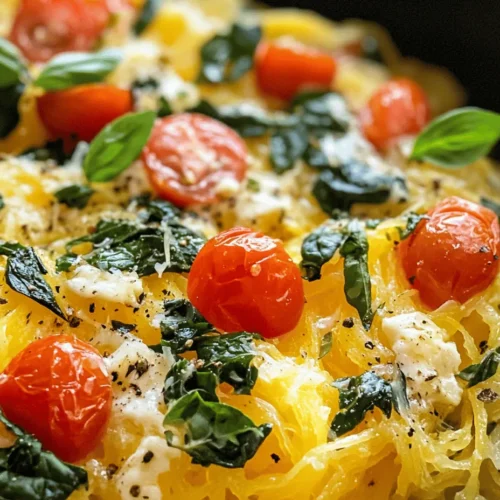
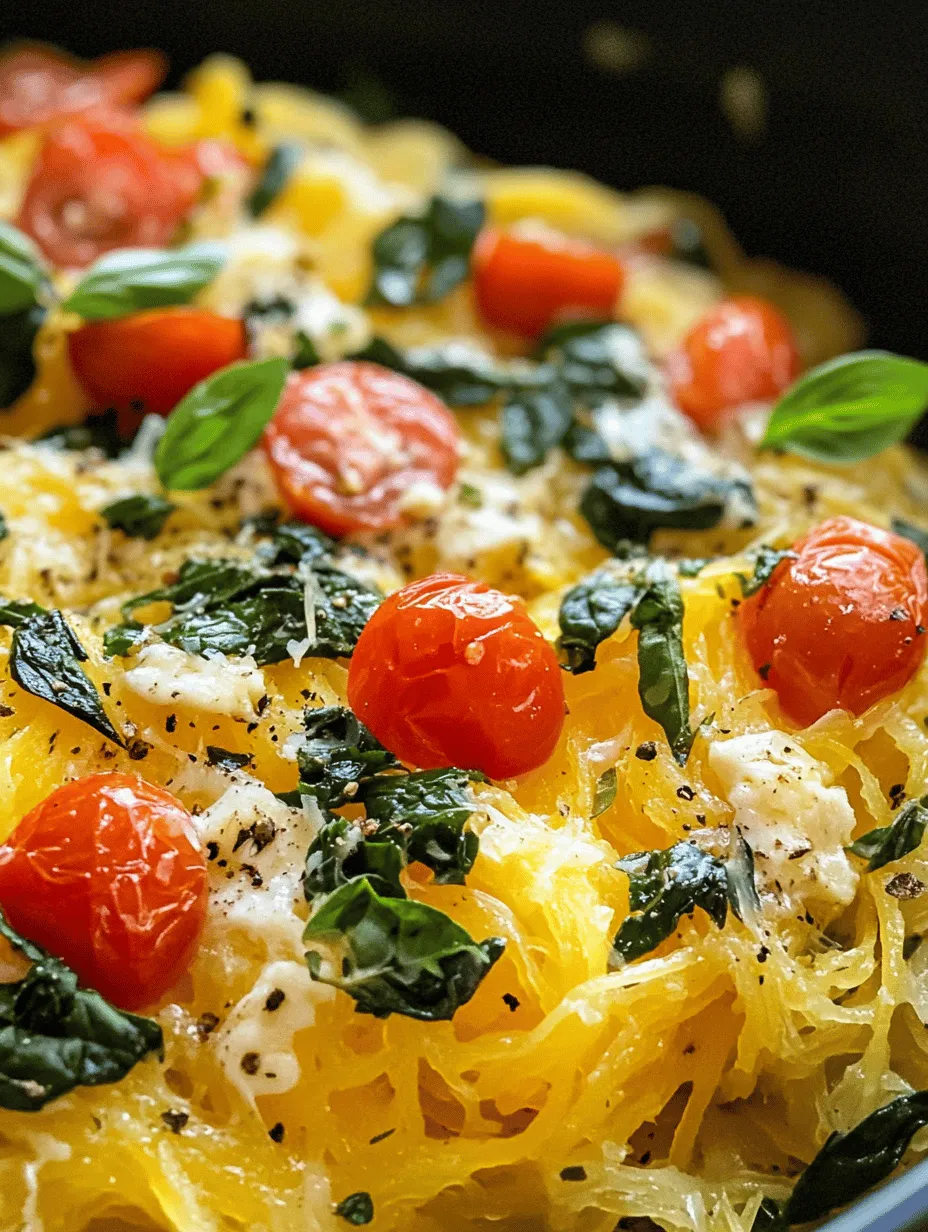
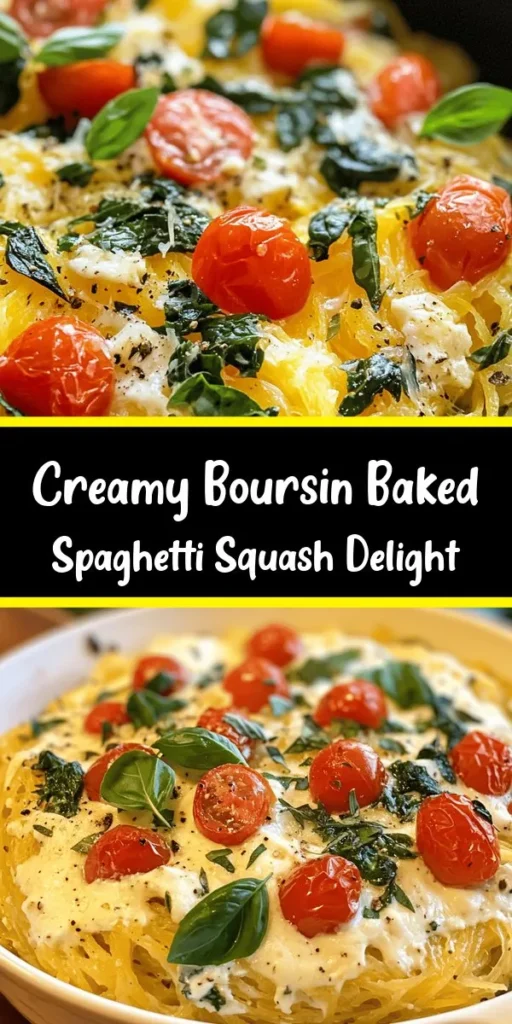
Combining the health benefits of spaghetti squash with the rich, creamy goodness of Boursin cheese results in a baked dish that is as satisfying as it is indulgent. The baked Boursin spaghetti squash recipe is not only easy to prepare but also caters to various dietary preferences, making it an ideal meal for family gatherings, potlucks, or a cozy night in.
Understanding Spaghetti Squash
Nutritional Benefits of Spaghetti Squash
Spaghetti squash is not only a delightful addition to your plate but also a nutrient powerhouse. Low in calories and high in fiber, this squash is a perfect option for those looking to maintain or lose weight. A one-cup serving of cooked spaghetti squash contains just about 42 calories, making it an excellent alternative to traditional pasta, which is often higher in calories and carbohydrates. Additionally, it’s rich in vitamins A and C, as well as several B vitamins, which contribute to overall health and well-being.
Differences Between Spaghetti Squash and Traditional Pasta
One of the most significant differences between spaghetti squash and traditional pasta lies in their carbohydrate content. While a serving of spaghetti can contain upwards of 40 grams of carbohydrates, a cup of cooked spaghetti squash contains only around 10 grams. This low carbohydrate count makes spaghetti squash an appealing option for those following a keto or low-carb diet. Furthermore, spaghetti squash is gluten-free, allowing individuals with gluten sensitivities or celiac disease to enjoy a pasta-like dish without any adverse effects.
How Spaghetti Squash Fits into Low-Carb and Gluten-Free Diets
For anyone following a low-carb or gluten-free diet, spaghetti squash offers the perfect vessel for exchanging traditional pasta dishes. Its mild flavor allows it to absorb seasonings and sauces beautifully, making it an adaptable ingredient in various recipes. Whether topped with a savory marinara sauce, creamy Alfredo, or, in this case, baked with Boursin cheese, spaghetti squash serves as a satisfying base for countless culinary creations.
Cooking Methods: Roasting, Boiling, and Microwaving
Cooking spaghetti squash can be done in several ways, each yielding delicious results:
– Roasting: This is the most common method, as it enhances the squash’s natural sweetness and creates a caramelized flavor. Simply cut the squash in half, scoop out the seeds, brush with olive oil, and roast in the oven until tender.
– Boiling: While not as popular, boiling can be a quicker method. Cut the squash into pieces and boil until soft. However, this method may result in a less flavorful outcome compared to roasting.
– Microwaving: For a speedy option, you can microwave spaghetti squash. Cut it in half, remove seeds, and place it cut-side down in a microwave-safe dish with a bit of water. Cover and microwave until tender. This method is convenient for those short on time.
Each cooking method has its benefits, but for this baked Boursin spaghetti squash recipe, roasting is the preferred technique, as it allows the squash to develop a rich, slightly sweet flavor that complements the cheese beautifully.
The Role of Boursin Cheese
What is Boursin Cheese?
Boursin cheese is a soft, creamy cheese that has captured the hearts of food lovers around the globe. This French cheese, typically made from cow’s milk, is known for its spreadable texture and rich flavor. The most popular variety features a blend of garlic and herbs, but Boursin is available in several other flavors, including pepper, fig, and chive. Its versatility makes it a favorite in both casual and upscale culinary settings.
Flavor Variations and Culinary Applications
The garlic and herb variety of Boursin cheese is particularly well-suited for this recipe, providing a robust flavor that pairs excellently with the mild taste of spaghetti squash. The creamy texture of Boursin adds richness to the dish, transforming it into a comforting, gourmet experience. Beyond this recipe, Boursin can be used in numerous culinary applications, such as spread on crackers, dolloped on grilled vegetables, or even blended into sauces to create a creamy base.
The Melting Properties of Boursin Cheese
One of the standout qualities of Boursin cheese is its melting properties. When baked, it becomes wonderfully gooey and creamy, enveloping the spaghetti squash in a luxuriously rich sauce. This melting characteristic sets Boursin apart from other cheeses, making it a perfect choice for baked dishes like this one. As it melts, it will coat the strands of spaghetti squash, ensuring every bite is infused with its delightful flavor.
Pairing Boursin with Vegetables and Grains
In addition to spaghetti squash, Boursin cheese can pair beautifully with various vegetables and grains. It complements roasted vegetables, enhances salads, and can even be stirred into risottos or pasta dishes to elevate their flavors. The herbaceous notes of Boursin can brighten up any dish, making it a staple ingredient for home cooks and chefs alike.
Ingredient Breakdown
Detailed Description of Each Ingredient
To create the perfect baked Boursin spaghetti squash, it’s essential to understand the role of each ingredient used in the recipe.
Spaghetti Squash: Preparation and Flavor
The star of this dish, spaghetti squash, offers a delightful texture and subtle flavor that works well with a variety of ingredients. When selecting a spaghetti squash, look for one that is firm and free from blemishes. To prepare the squash, cut it in half lengthwise, scoop out the seeds, and roast it until the flesh is tender. Once cooked, use a fork to scrape the flesh, creating strands that resemble spaghetti. This preparation method enhances the natural sweetness of the squash and sets the stage for the rich flavors to come.
Boursin Cheese: Texture and Taste
Boursin cheese adds a creamy, decadent layer to the baked spaghetti squash. Its smooth texture allows it to blend seamlessly with the squash, ensuring that every bite is rich and flavorful. The garlic and herb variety brings an aromatic punch that complements the other ingredients, making it a key player in this recipe. When baked, Boursin cheese melts beautifully, creating a luscious coating over the spaghetti squash that elevates the entire dish.
Cherry Tomatoes: Adding Sweetness and Color
Cherry tomatoes are a vibrant addition to this baked dish, providing bursts of sweetness and color that contrast the creamy Boursin cheese. Their juicy texture adds freshness, while their natural sugars caramelize during baking, enhancing the overall flavor profile. Additionally, cherry tomatoes are rich in antioxidants, vitamins, and minerals, making them a healthy choice to incorporate into this meal.
Spinach: Nutritional Value and Flavor Enhancement
Spinach is another key ingredient that contributes both nutritional value and flavor to the dish. Packed with vitamins A, C, and K, as well as iron and folate, spinach is a superfood that boosts the overall health benefits of the meal. When sautéed, spinach wilts down and blends perfectly with the Boursin cheese, resulting in a creamy, flavorful filling that complements the spaghetti squash beautifully.
Garlic: Aromatic Properties and Health Benefits
Garlic is an essential ingredient that brings depth and aroma to the baked Boursin spaghetti squash. Its pungent flavor enhances the overall dish while providing numerous health benefits, including anti-inflammatory properties and immune system support. Fresh garlic is recommended for this recipe, as it infuses the dish with a vibrant flavor that pairs harmoniously with the other ingredients.
With these ingredients in mind, you’re now ready to dive into the actual preparation of the baked Boursin spaghetti squash, where all these wonderful flavors will come together to create a dish that’s not only delicious but also satisfying and nutritious. Stay tuned for the detailed instructions on how to assemble and bake this delightful recipe.
Olive Oil: Cooking Medium and Flavor Carrier
When it comes to preparing Baked Boursin Spaghetti Squash, olive oil plays a pivotal role. As a cooking medium, olive oil not only helps in preventing the spaghetti squash from sticking to the baking sheet but also enhances the overall flavor profile of the dish. Its rich, fruity notes complement the creamy Boursin cheese perfectly, creating a deliciously harmonious blend. Opt for extra virgin olive oil for the best quality and flavor, as it retains more of the natural antioxidants and healthy fats than refined varieties.
Dried Italian Herbs: Flavor Profile and Seasoning
To elevate the taste of your Baked Boursin Spaghetti Squash, incorporating dried Italian herbs is essential. A mix of oregano, basil, thyme, and rosemary will provide a classic Mediterranean flavor that pairs beautifully with the cheese and squash. These herbs not only offer aromatic depth but also bring out the natural sweetness of the squash. If preferred, you can use fresh herbs instead, but remember that dried herbs are generally more concentrated in flavor. A teaspoon or two of dried herbs should suffice for this recipe, ensuring that every bite is infused with delightful seasoning.
Optional Ingredients: Garnish with Basil and Parmesan for Extra Flavor
While the Baked Boursin Spaghetti Squash is delicious on its own, a garnish of fresh basil adds a vibrant touch, both visually and in flavor. The fragrant, herbal notes of basil will contrast nicely with the creamy cheese. Additionally, a sprinkle of grated Parmesan cheese can contribute a savory, umami kick, enhancing the overall taste experience. These optional ingredients not only elevate the dish but also provide a finishing touch that impresses guests and family alike.
Step-by-Step Instructions
Preheating the Oven: Importance of Temperature Control
Before diving into the preparation of your spaghetti squash, it is crucial to preheat your oven to 400°F (200°C). Preheating ensures that the squash cooks evenly and thoroughly, which is key to achieving the perfect texture. An adequately heated oven helps to caramelize the natural sugars in the squash, creating a slightly sweet and tender final product.
Preparing the Spaghetti Squash: Techniques for Cutting and Cleaning
To prepare your spaghetti squash, start by carefully cutting it in half lengthwise. Use a sharp chef’s knife and apply steady pressure to avoid slipping. Once halved, scoop out the seeds and stringy bits from the middle using a spoon. This step is essential, as the seeds can be bitter, and the stringy flesh can detract from the overall experience. After cleaning, place the squash halves cut side up on a baking sheet lined with parchment paper for easy cleanup.
Roasting Process: Ideal Cooking Times and Signs of Readiness
Roasting your spaghetti squash is a vital step in this recipe. Drizzle the cut side with olive oil, and season with salt, pepper, and your chosen dried Italian herbs. Place the baking sheet with the squash in the preheated oven and roast for about 30-40 minutes. The squash is ready when the flesh is tender and can be easily pierced with a fork. The edges should also start to turn golden brown, indicating that the sugars are caramelizing, which adds a wonderful depth of flavor.
Sautéing Vegetables: Tips for Maximizing Flavor in the Skillet
While the squash roasts, it’s time to sauté any vegetables you wish to include. This could be anything from diced bell peppers, zucchini, or mushrooms to onions and garlic. Heat a couple of tablespoons of olive oil in a skillet over medium heat. Add your vegetables and a pinch of salt, then sauté until they are tender and slightly caramelized, which usually takes about 5-7 minutes. For enhanced flavor, consider adding a minced clove of garlic toward the end of the cooking process, allowing it to soften and release its aroma without burning.
Combining Ingredients: Ensuring Even Distribution of Flavors
Once your spaghetti squash is roasted and your vegetables are sautéed, it’s time to combine everything. Carefully scrape the flesh of the spaghetti squash using a fork to create those coveted spaghetti strands. In a large mixing bowl, combine the squash with the sautéed vegetables and a generous amount of Boursin cheese. Stir gently to ensure that the cheese coats all the strands evenly, and the vegetables are well-distributed throughout the dish.
Forking the Squash: Techniques for Achieving the Perfect Spaghetti Strands
To achieve the perfect spaghetti strands, allow the squash to cool for a few minutes before handling. Use a fork to scrape the flesh from the skin, starting from the edges and working your way towards the center. This technique will create long, noodle-like strands that resemble spaghetti. Be gentle to avoid breaking the strands, and enjoy the satisfying transformation as you reveal the spaghetti-like texture of the squash.
Final Baking Step: Importance of Reheating for Flavor Melding
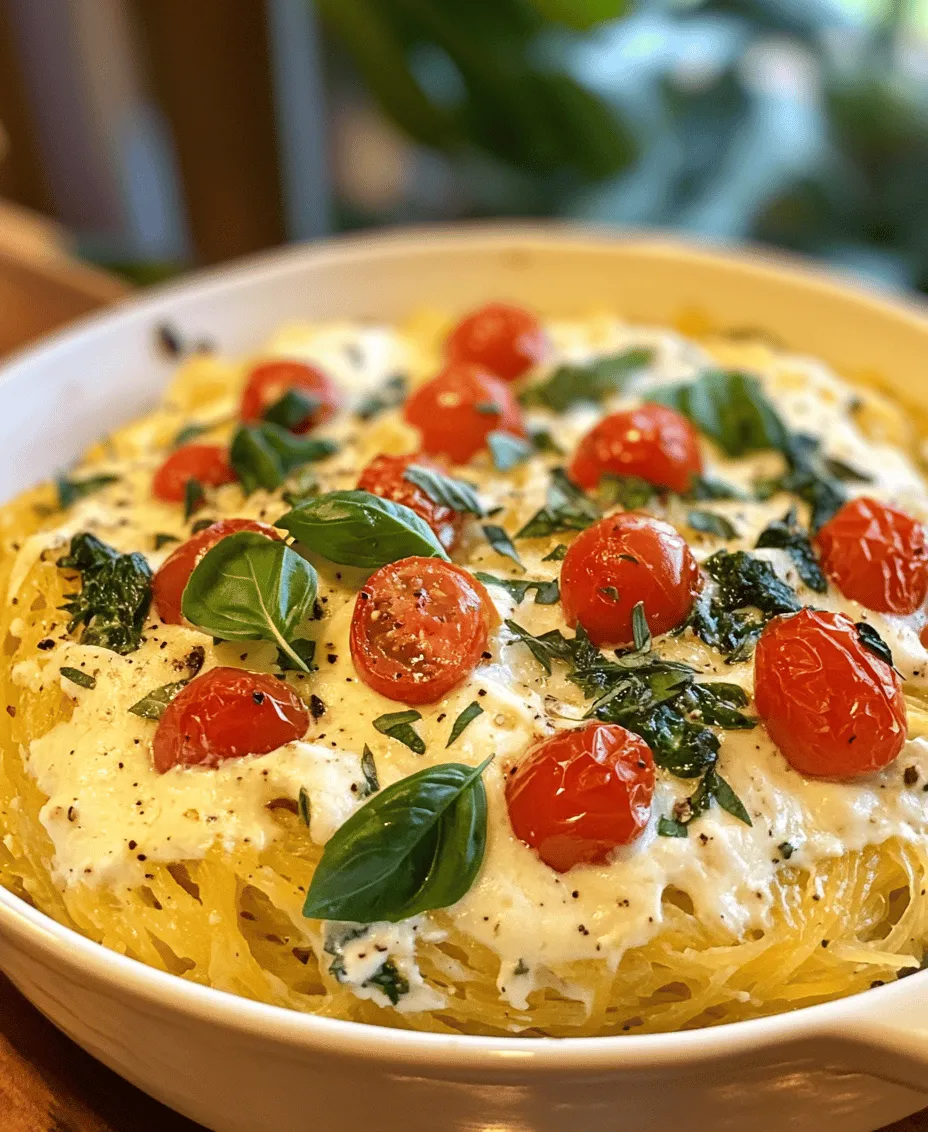
After combining the ingredients, transfer the mixture back into the squash shells or a baking dish if you prefer a family-style presentation. Sprinkle additional Italian herbs on top and place the dish back in the oven for an additional 10-15 minutes at the same temperature. This final baking step allows the flavors to meld together beautifully, enhancing the overall taste of the dish. The Boursin cheese will melt and create a creamy layer over the squash, making each bite indulgently rich.
Serving Suggestions
Ideal Serving Size and Portioning
When it comes to serving Baked Boursin Spaghetti Squash, consider a portion size of one half of the squash per person, especially if it is being served as a main dish. This ensures that everyone has enough to enjoy without overwhelming them. The dish is not only hearty but also packed with nutrients, making it a satisfying meal.
Suggestions for Side Dishes to Complement the Meal
To round out your meal, consider pairing the Baked Boursin Spaghetti Squash with a simple side salad. A fresh arugula salad with a lemon vinaigrette works exceptionally well, providing a light and zesty contrast to the creamy squash. Alternatively, roasted vegetables or a light soup can complement the dish beautifully, creating a balanced and satisfying dining experience.
Pairing Options: Wine, Salads, or Bread That Work Well with the Dish
For wine enthusiasts, a crisp Sauvignon Blanc or a light Pinot Grigio pairs wonderfully with this dish, as they enhance the flavors without overpowering them. If you prefer bread, a crusty baguette or garlic bread can be a delightful accompaniment, perfect for scooping up the cheesy squash. If you want to keep it light, serve the squash with a refreshing cucumber and tomato salad, which balances the richness of the Boursin cheese.
Variations and Adaptations
Suggestions for Ingredient Swaps (e.g., Different Vegetables or Cheeses)
The beauty of Baked Boursin Spaghetti Squash lies in its versatility. Feel free to experiment with different vegetables based on your preferences or what you have on hand. Spinach, kale, or roasted cherry tomatoes can add a burst of flavor and nutrition. If you want to switch up the cheese, a creamy goat cheese or ricotta would also work beautifully, adding a different texture and flavor profile.
Vegetarian and Vegan Adaptations
For those adhering to a vegetarian or vegan diet, simply replace the Boursin cheese with a vegan cream cheese alternative or a homemade cashew cheese. You can also add nutritional yeast to give a cheesy flavor without dairy. Ensure that any added vegetables or seasonings align with your dietary preferences to maintain the dish’s delicious essence.
Gluten-Free Options and Additional Seasoning Tips
This recipe is naturally gluten-free, making it a suitable option for those avoiding gluten. However, if you want to enhance the flavor further, consider adding a teaspoon of crushed red pepper flakes for a subtle heat or a splash of balsamic vinegar for a tangy kick before baking. These adjustments can personalize the dish to your taste while keeping it gluten-free.
Conclusion
Baked Boursin Spaghetti Squash is a delightful and nutritious dish that combines the natural sweetness of spaghetti squash with the creamy richness of Boursin cheese, making it a perfect option for busy weeknights or elegant dinner parties. The simplicity of the recipe, along with its versatility, allows you to cater it to your tastes and preferences effortlessly.
Whether you stick to the classic version or explore various adaptations, this dish is bound to impress. The flavors meld beautifully, and the result is a comforting meal that feels indulgent without the guilt. So gather your ingredients, preheat your oven, and prepare to enjoy a healthy, delicious meal with minimal effort. Embrace the joy of cooking and let this recipe inspire you to experiment with flavors, textures, and ingredients as you make it your own. Enjoy!